
Psychosomatic Disorders
When the body speaks what words cannot
Chronic pain, digestive distress, or tension without a single medical explanation can reflect psychosomatic patterns. Psychosomatic treatment here honors both medicine and psychology - using Gestalt mind-body therapy to restore dialogue between emotional life and physical experience.
Book ConsultationWhat Are Psychosomatic Disorders in Therapy?
Psychosomatic does not mean imaginary. It means psychological and social factors influence bodily symptoms. Mind-body therapy explores how unexpressed anger, fear, or grief may localize in the gut, chest, or muscles - especially when culture discourages emotional expression.
Our clinic's holistic approach fits psychosomatic treatment well: we track sensation, breath, and posture alongside narrative. We work alongside your doctors in Tbilisi, never replacing medical care, but adding psychotherapeutic depth when tests are inconclusive yet suffering is real.
When the psychological roots of physical symptoms go unaddressed, many people find themselves trapped in an exhausting cycle of medical consultations, tests, and treatments that provide no lasting relief. The body continues to express what the mind has not yet processed - chronic tension, pain, or digestive dysfunction persists because the emotional material driving it remains unrecognized. Psychosomatic therapy offers a fundamentally different approach: by restoring the dialogue between body and emotion, it addresses suffering at its source rather than chasing symptoms across medical specialties.
When to Seek Help
Who Is It For?
What to Expect
Collaborative framing
We clarify medical history and therapy goals with transparency.
Somatic awareness
Notice how emotions shift bodily states in real time.
Emotional processing
Give voice to feelings that may have somaticized.
Lifestyle integration
Movement, rest, and communication changes that support the body.
Benefits
Symptom relief
Many clients report fewer peaks as emotional load lightens.
Agency
Understand triggers you can influence, even when biology is complex.
Reduced medical anxiety
Less catastrophic scanning when mind-body links make sense.
Respectful care
No splitting between real and psychological-both matter.
Our Psychologists & Psychotherapists
EAGT-trained specialists at Gestalt Clinic work in this area - get to know them and choose the therapist who fits you best
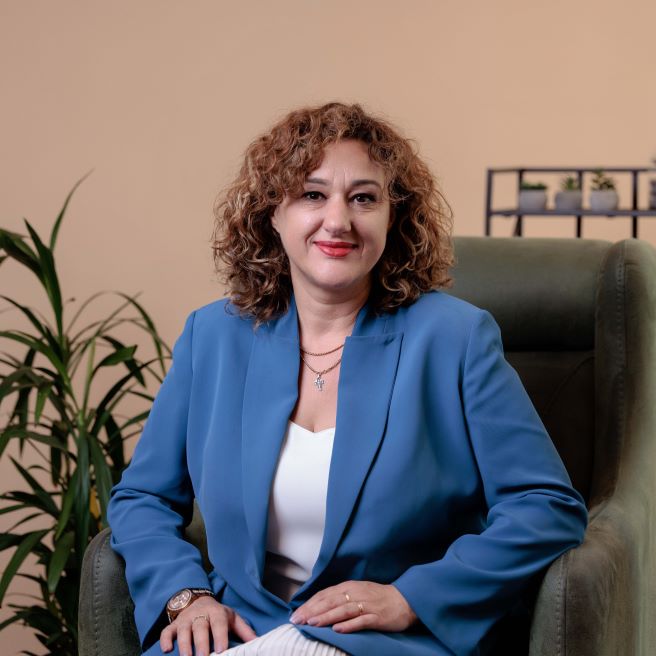
Lika Tushishvili
Senior Gestalt Therapist
25 years of experience

Ana Garsevanishvili
Gestalt Therapist
3 years of experience
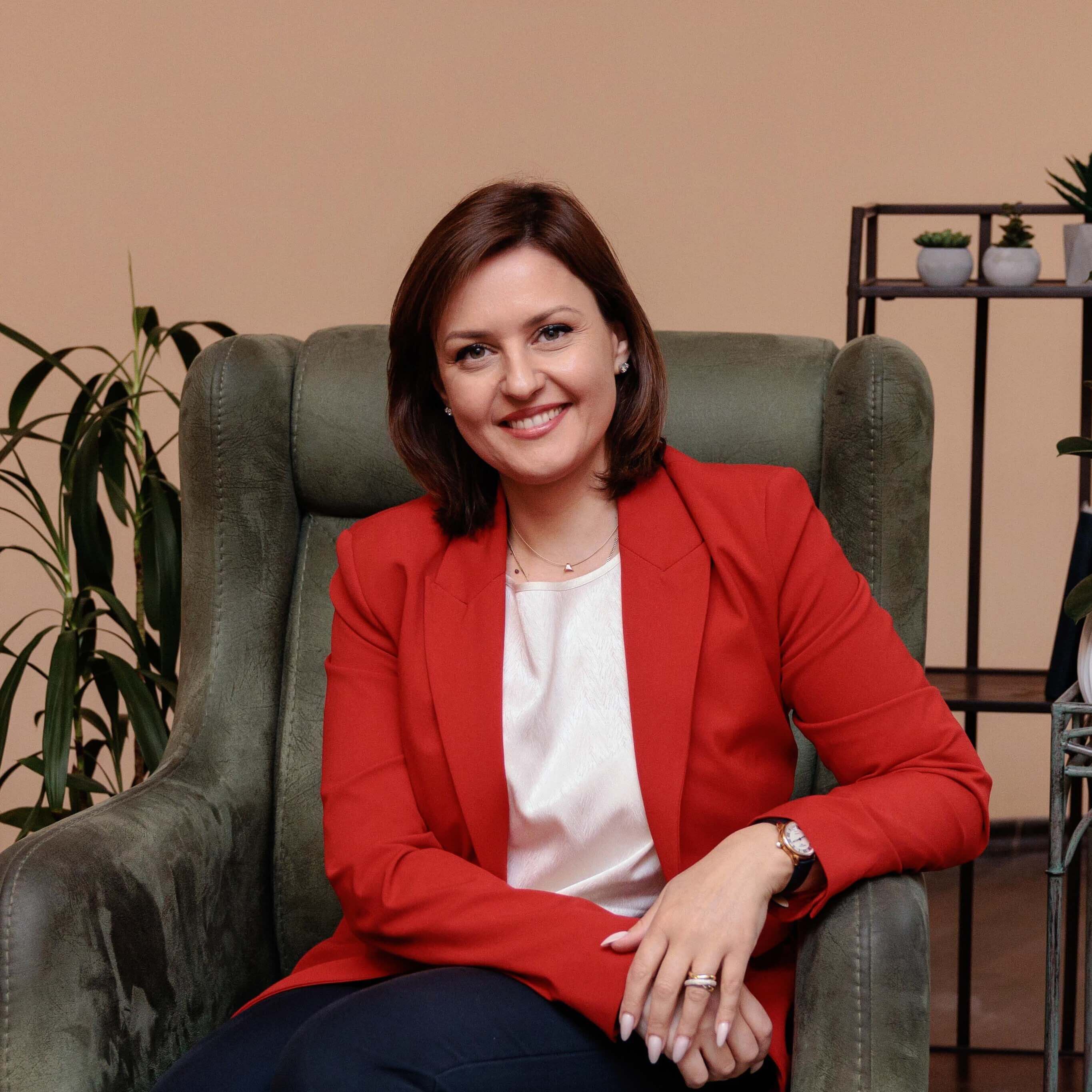
Marina Bostoganashvili
Gestalt & Art Therapist
7 years of experience
Ready to Take the First Step?
Book ConsultationFrequently Asked Questions
Related Services
Explore our other psychotherapy services in Tbilisi
Ready to Start?
Explore psychosomatic treatment with Gestalt Clinic in Tbilisi.