
Trauma Therapy
Rebuild safety and presence after overwhelming events
Trauma can leave you hypervigilant, numb, or stuck in replay. Our trauma therapy in Tbilisi supports trauma recovery at a pace your nervous system can tolerate, integrating body awareness and relational repair within Gestalt psychotherapy.
Book ConsultationWhat Is Trauma Therapy?
Trauma therapy helps you process experiences that exceeded your capacity to integrate at the time. We distinguish shock trauma from developmental wounds and respect how trauma shows up now: flashbacks, dissociation, relationship difficulty, or somatic pain.
PTSD treatment here is not about forcing you to retell every detail before you are ready. Gestalt trauma therapy emphasizes support, choice, and gradual restoration of contact - with self, others, and the present moment - alongside established trauma-informed care principles.
Unprocessed trauma does not simply fade with time - it often embeds itself in the body and nervous system, shaping how you perceive safety, closeness, and control long after the original events. You may find yourself overreacting to minor stressors, withdrawing from relationships that require vulnerability, or living in a state of chronic tension without understanding why. Trauma therapy and PTSD treatment offer a path to metabolize these experiences so they become memories rather than ongoing emergencies.
When to Seek Help
Who Is It For?
What to Expect
Stabilization
We prioritize safety, resources, and grounding before deeper exploratory work.
Paced processing
You choose how much to share; we watch activation levels together.
Integration
Link past events to present strengths so PTSD treatment builds mastery, not only recall.
Life re-engagement
Gradual return to places, intimacy, and goals trauma interrupted.
Benefits
Reduced hyperarousal
Sleep and concentration often improve as the system settles.
Coherent narrative
Make sense of what happened without being defined solely by it.
Healthier relationships
Repair trust and boundaries damaged by survival modes.
Ethical expertise
Trauma-informed Gestalt therapists committed to supervision and standards.
Our Psychologists & Psychotherapists
EAGT-trained specialists at Gestalt Clinic work in this area - get to know them and choose the therapist who fits you best
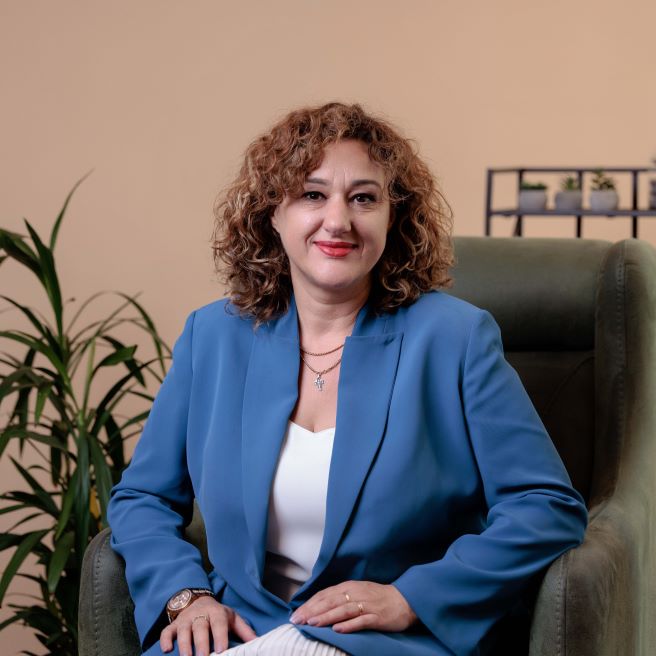
Lika Tushishvili
Senior Gestalt Therapist
25 years of experience

Sandro Gordeziani
Gestalt Therapist
4 years of experience
Ready to Take the First Step?
Book ConsultationFrequently Asked Questions
Related Services
Explore our other psychotherapy services in Tbilisi