
Self-Esteem & Confidence
Move from self-criticism to grounded self-respect
Low self-worth shows up as comparison, people-pleasing, or fear of being seen. Self-esteem therapy here uses Gestalt confidence building: owning strengths, shadow, and needs - so you relate to yourself with the same dignity you offer others.
Book ConsultationWhat Is Self-Esteem Therapy?
Self-esteem therapy explores introjects: whose voice criticizes you? We differentiate authentic standards from borrowed shame. Gestalt work supports confidence building through experiments in assertion, self-support, and celebrating small successes your inner critic dismisses.
This is not empty affirmation. It is psychotherapy that tracks how you interrupt contact with your own value - then practice new, embodied ways of standing in the world, including professionally and romantically in Tbilisi.
Low self-esteem is rarely just an attitude problem - it shapes decisions about career, relationships, and self-care in ways that compound over time. You may repeatedly settle for less than you deserve in partnerships, undercharge for your professional skills, or avoid opportunities that could bring growth because the inner critic insists you are not ready. Self-esteem therapy addresses the deep-seated beliefs and relational patterns that sustain this cycle, building genuine confidence rooted in self-awareness rather than external validation.
When to Seek Help
Who Is It For?
What to Expect
Map the inner critic
Name its rules, origins, and protective functions.
Embodied experiments
Practice posture, voice, and language that express authentic presence.
Real-world trials
Between-session tasks that stretch your window of self-assertion.
Integration
Anchor gains so confidence survives stress and comparison triggers.
Benefits
Stable self-worth
Less rollercoaster from external validation alone.
Clearer boundaries
Say yes and no from alignment, not fear.
Career and relational gains
Confidence building often unlocks asking, negotiating, and connecting.
Warm accountability
Therapists who challenge gently and believe in your growth.
Our Psychologists & Psychotherapists
EAGT-trained specialists at Gestalt Clinic work in this area - get to know them and choose the therapist who fits you best

Lika Tushishvili
Senior Gestalt Therapist
25 years of experience

Ana Garsevanishvili
Gestalt Therapist
3 years of experience
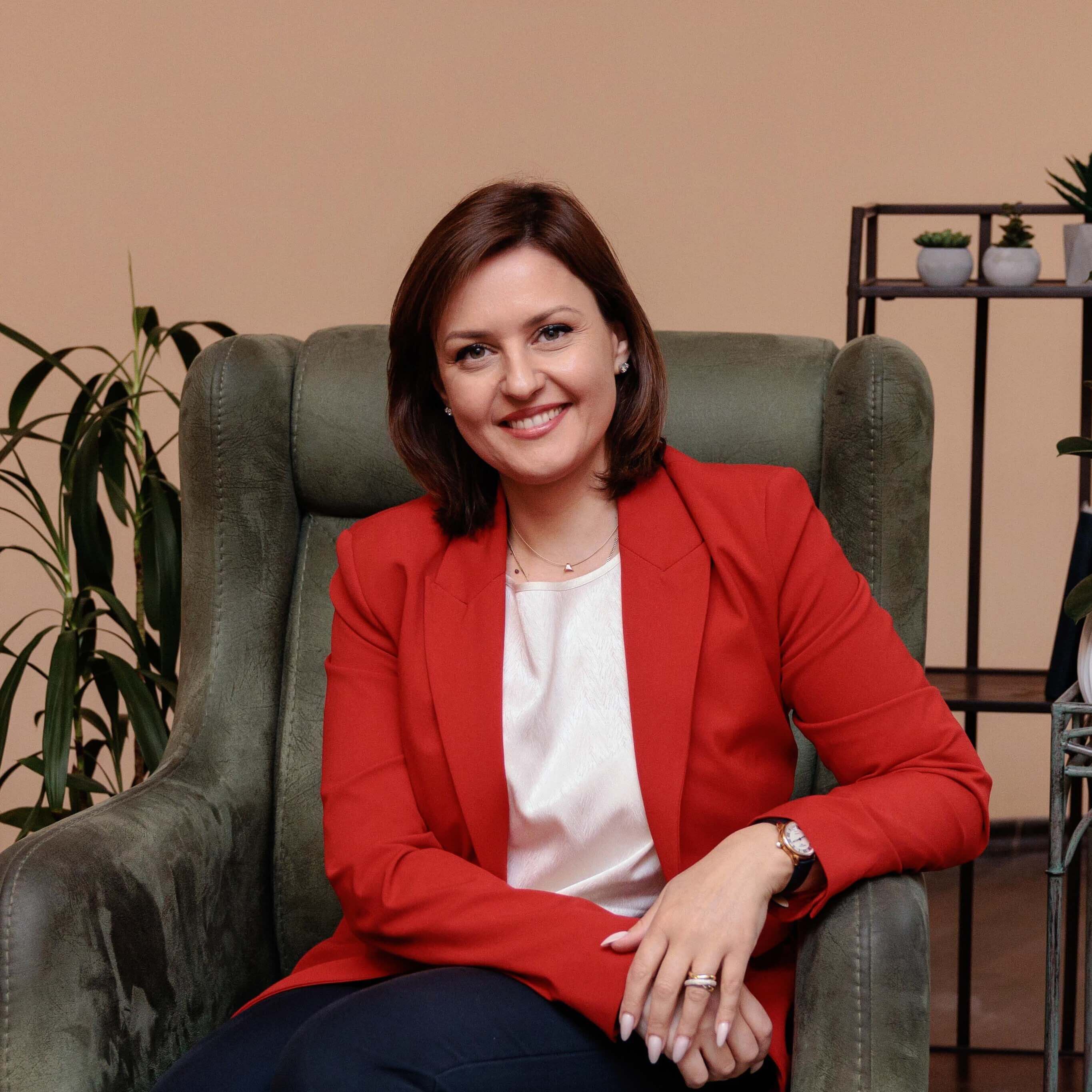
Marina Bostoganashvili
Gestalt & Art Therapist
7 years of experience
Ready to Take the First Step?
Book ConsultationFrequently Asked Questions
Related Services
Explore our other psychotherapy services in Tbilisi