
Panic Attacks & Panic Disorder
Understand the alarm so it loses power
Panic can feel like a medical emergency in your own body. Panic attack treatment here combines education, gentle exposure to sensation, and exploration of what panic protects - so panic disorder therapy reduces both frequency and terror of episodes.
Book ConsultationWhat Is Panic-Focused Therapy?
Panic disorder therapy addresses recurring surges of fear with palpitations, shortness of breath, dizziness, or derealization. We rule out medical mimics with your doctors when needed, then build psychological flexibility so your system learns these waves can pass.
Gestalt panic therapy tracks moment-to-moment experience: where fear lives in the body, what thoughts amplify it, and how avoidance of places or sensations narrows life. Panic attack treatment aims to widen your world again - starting in Tbilisi with steady support.
Without professional support, panic disorder often sets in motion a cycle of anticipatory anxiety that can be more debilitating than the attacks themselves. You begin organizing your entire life around avoiding the next episode - declining invitations, avoiding public transport, or needing a companion for routine errands. This progressive narrowing of your world reinforces the belief that you are fragile and unsafe, making each subsequent panic attack feel more threatening. Panic disorder therapy breaks this cycle by building your nervous system's capacity to tolerate intense sensation without catastrophic interpretation.
When to Seek Help
Who Is It For?
What to Expect
Psychoeducation
Understand the fight-flight-freeze cycle and health anxiety loops.
Interoceptive work
Carefully graded contact with bodily sensations in a safe therapeutic frame.
Context exploration
Link panic to stress, grief, or boundaries when relevant.
Relapse planning
Tools for setbacks so progress feels durable.
Benefits
Fewer crises
Attacks often diminish as predictability and skill grow.
Freedom of movement
Return to transport, work, and social life with more confidence.
Less catastrophic thinking
Differentiate panic from true medical emergency with calmer self-talk.
Whole-person care
Gestalt therapists integrate body, emotion, and relationship factors.
Our Psychologists & Psychotherapists
EAGT-trained specialists at Gestalt Clinic work in this area - get to know them and choose the therapist who fits you best
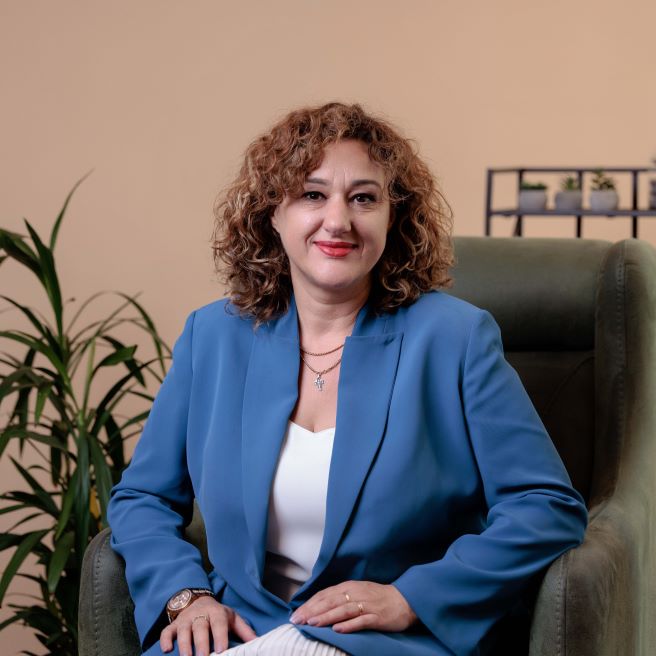
Lika Tushishvili
Senior Gestalt Therapist
25 years of experience

Sandro Gordeziani
Gestalt Therapist
4 years of experience
Ready to Take the First Step?
Book ConsultationFrequently Asked Questions
Related Services
Explore our other psychotherapy services in Tbilisi